
Chand Baori Stepwell Complex
Dausa, Rajasthanదౌసా, రాజస్థాన్
Aboutमंदिर के बारे मेंఆలయం గురించి
Chand Baori is globally recognized as one of the deepest and most perfectly designed stepwells in India. Its architectural precision and symmetry make it an important example of ancient engineering and water conservation techniques used in Rajasthan.
Religiously, the nearby Harshat Mata Temple adds spiritual significance to the site, making it a combined cultural and sacred destination. The complex represents a blend of utility, devotion, and artistic excellence from early medieval India.
Temple Historyमंदिर का इतिहासఆలయ చరిత్ర
Chand Baori is one of the oldest and most architecturally striking stepwells in India, built around the 8th–9th century CE by King Chanda of the Nikumbh dynasty. It was constructed primarily to conserve water in the arid region of Rajasthan and served as a social and cultural gathering place for villagers.
The structure is located next to the Harshat Mata Temple, which is believed to date back to the same period. The temple was dedicated to the goddess of joy and happiness, and it played an important role in the religious life of the region. Over time, the stepwell became closely associated with the temple complex.
Chand Baori features a unique geometric design with thousands of symmetrical steps arranged in a precise pattern descending 13 stories deep. The engineering brilliance reflects the advanced water management systems of ancient India. Today, it stands as a protected monument under the Archaeological Survey of India and attracts visitors from across the world.
Nearby templesआस-पास के मंदिरసమీప ఆలయాలు
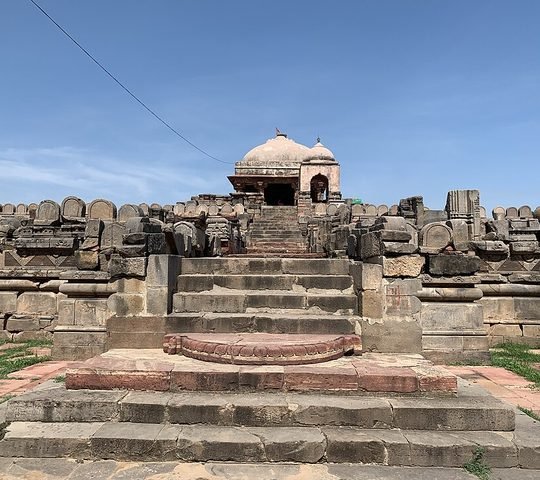 10.1 km
Harshat Mata Temple
Dausa, Rajasthanదౌసా, రాజస్థాన్
Durga Mataదుర్గా దేవి 220.0 km
Mehandipur Balaji Temple
Dausa, Rajasthanదౌసా, రాజస్థాన్
Lord Hanumanఆంజనేయ స్వామి 333.1 km
Someshwar Temple
Alwar, Rajasthanఅల్వార్, రాజస్థాన్
Lord Shivaశివుడు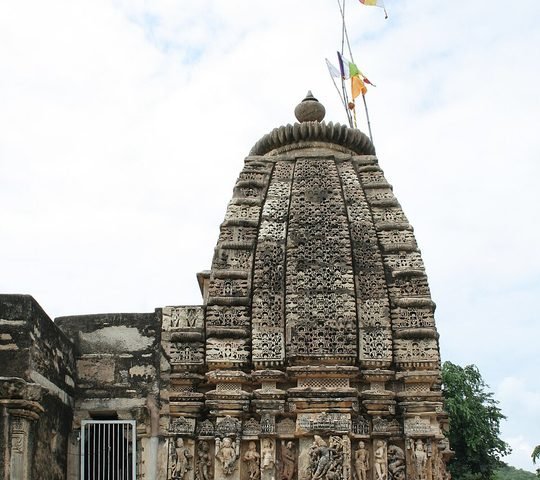 436.7 km
Neelkanth Mahadev Temple
Alwar, Rajasthanఅల్వార్, రాజస్థాన్
Lord Shivaశివుడు 538.1 km
Pandupol Hanuman Temple
Alwar, Rajasthanఅల్వార్, రాజస్థాన్
Lord Hanumanఆంజనేయ స్వామి 670.7 km
Shri Kalyanji Temple
Karauli, Rajasthanకరౌలీ, రాజస్థాన్
Lord Vishnuవిష్ణువు 770.7 km
Shri Radha Madan Mohan Ji Temple
Karauli, Rajasthanకరౌలీ, రాజస్థాన్
Lord Krishnaశ్రీ కృష్ణుడు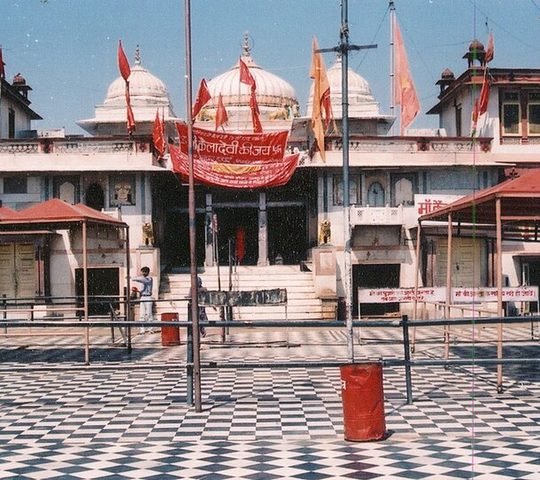 874.5 km
Kaila Devi Temple
Karauli, Rajasthanకరౌలీ, రాజస్థాన్
Durga Mataదుర్గా దేవిDrag to move, use + / - or double-click to zoom.हिलाने के लिए खींचें, ज़ूम के लिए + / - या डबल-क्लिक करें।జరపడానికి లాగండి, జూమ్కు + / - లేదా డబుల్ క్లిక్ చేయండి. Open in Google Mapsगूगल मैप्स में खोलेंగూగుల్ మ్యాప్స్లో తెరవండి
Same Deity Templesइसी देवता के मंदिरఇదే దేవత ఆలయాలు
Durga Mataదుర్గా దేవిMore temples of this deity, nearest first.इसी देवता के और मंदिर, निकटतम पहले।ఇదే దేవత ఆలయాలు, దగ్గరివి ముందుగా.
0.1 kmHarshat Mata Temple
Dausa, Rajasthanదౌసా, రాజస్థాన్
Durga Mataదుర్గా దేవి74.5 kmKaila Devi Temple
Karauli, Rajasthanకరౌలీ, రాజస్థాన్
Durga Mataదుర్గా దేవి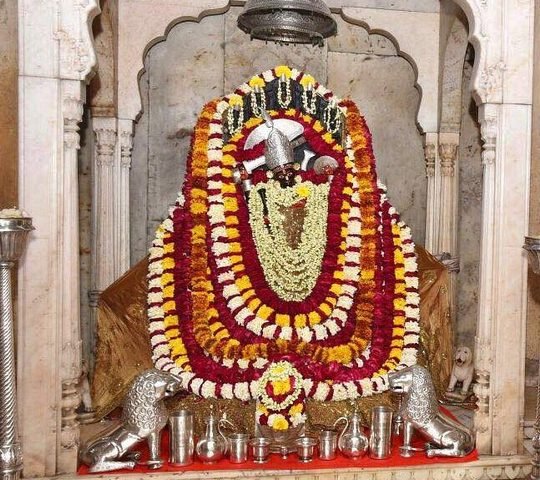 75.0 km
Shila Devi Temple
Jaipur, Rajasthanజైపూర్, రాజస్థాన్
Durga Mataదుర్గా దేవి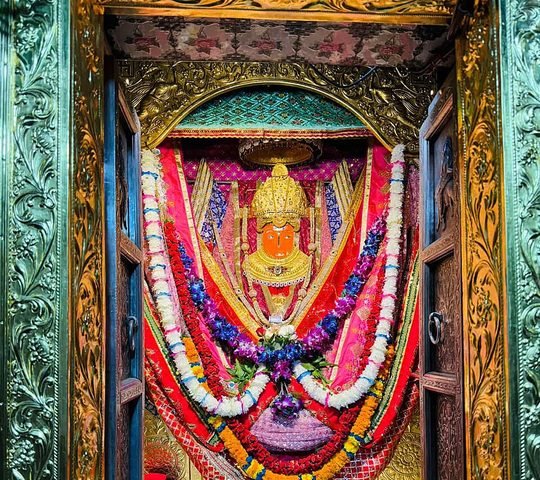 140.5 km
Jeen Mata Temple
Sikar, Rajasthanసీకర్, రాజస్థాన్
Durga Mataదుర్గా దేవి 222.1 km
Maa Mahamaya Devi Temple
Ghaziabad, Uttar Pradeshఘజియాబాద్, ఉత్తరప్రదేశ్
Durga Mataదుర్గా దేవి 307.2 km
Kalika Mata Temple
Chittorgarh, Rajasthanచిత్తోర్గఢ్, రాజస్థాన్
Durga Mataదుర్గా దేవి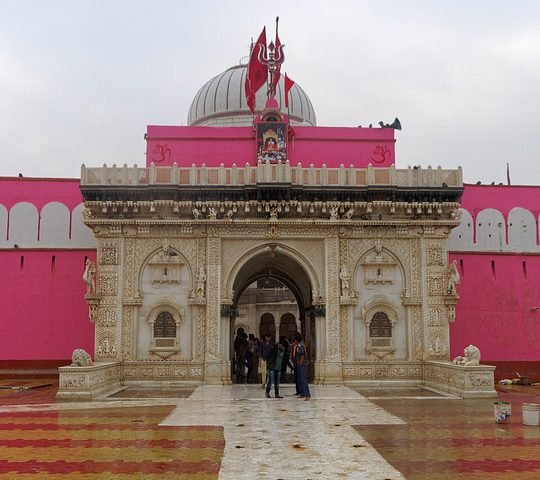 334.0 km
Karni Mata Temple
Bikaner, Rajasthanబికానేర్, రాజస్థాన్
Durga Mataదుర్గా దేవి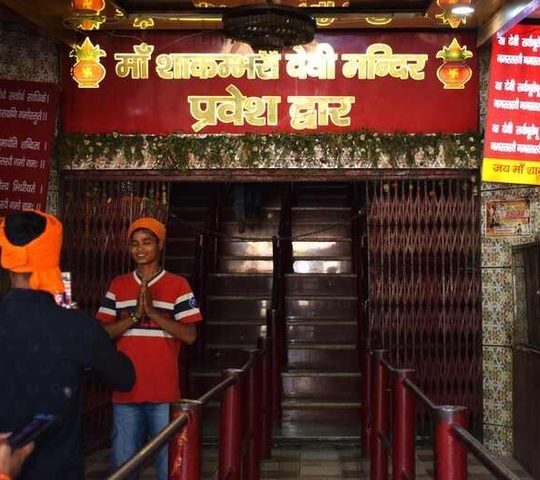 360.5 km
Shakumbhari Devi Temple
Saharanpur, Uttar Pradeshసహారన్పూర్, ఉత్తరప్రదేశ్
Durga Mataదుర్గా దేవిTravel Guideयात्रा मार्गदर्शिकाప్రయాణ మార్గదర్శి
By Road: Well connected via NH-21; taxis and buses available from Jaipur, Agra, and Delhi
By Rail: Nearest railway station is Bandikui Junction (approx. 10–15 km)
By Air: Nearest airport is Jaipur International Airport (approx. 95–100 km)
1. Dausa – Approx. 35 km
2. Jaipur – Approx. 95 km
3. Agra – Approx. 145 km
4. Delhi – Approx. 260 km
Sub Templesउप मंदिरఉప ఆలయాలు
1. Harshat Mata Temple (nearby main shrine)
2. Chand Baori Stepwell structure
3. Small shrines dedicated to local folk deities
4. Pillared corridors and pavilions around the stepwell
Things to Coverक्या देखेंచూడవలసినవి
1. Harshat Mata Temple – approx. 200 meters
2. Bhandarej Village Temples – approx. 25 km
3. Abhaneri Village Heritage Site – within walking distance
4. Mehandipur Balaji Temple – approx. 60 km
Pooja Detailsपूजा विवरणపూజా వివరాలు
1. Daily worship at Harshat Mata Temple: 6:00 AM – 12:00 PM approx.
2. Special aarti during festivals: Morning 7:00 AM approx.
3. Ritual offerings during Navratri and local fairs: Timings vary
Festivals / Jatharaत्योहार / जात्राపండుగలు / జాతర
The main festival celebrated at the Chand Baori complex is Navratri, dedicated to Goddess Harshat Mata. During this period, devotees gather in large numbers at the nearby temple to offer prayers, perform rituals, and participate in traditional music and cultural programs.
Local fairs and religious gatherings are also organized during major Hindu festivals such as Diwali and Holi. These events highlight Rajasthan’s folk traditions, attracting pilgrims and tourists who come to witness both the spiritual and architectural significance of the site.
Dress Codeवस्त्र संहिताదుస్తుల నియమం
🥻Traditional Dress
🥻पारंपरिक पोशाक
🥻సాంప్రదాయ దుస్తులు
Announcementsघोषणाएंప్రకటనలు
Details for this section will be added soon.इस भाग की जानकारी जल्द ही जोड़ी जाएगी।ఈ విభాగం వివరాలు త్వరలో చేర్చబడతాయి.
FAQ'sअक्सर पूछे जाने वाले प्रश्नతరచుగా అడిగే ప్రశ్నలు
Q1. Why is Chand Baori famous?
A1. It is famous for being one of the deepest and most architecturally complex stepwells in the world with over 3,500 symmetrical steps. Q2. Is Chand Baori still used for water storage? A2. No, it is no longer used for water storage and is preserved as a protected heritage monument by the Archaeological Survey of India. Q3. Can visitors enter the stepwell structure? A3. Visitors can view Chand Baori from designated safe areas, but direct access into the deepest sections is restricted for safety reasons.