
Rudranath Temple, Rudranath Dham, Gopeshwar Region, Chamoli District, Uttarakhand, 246401
Chamoli, Uttarakhand
Aboutमंदिर के बारे मेंఆలయం గురించి
Rudranath Temple is a natural-rock Shiva shrine in Chamoli district of Uttarakhand and is one of the five Panch Kedar temples. The Chamoli District Administration places the temple at approximately 2,290 metres above sea level, while Uttarakhand Tourism records it as a natural rock temple surrounded by alpine meadows and forests. In the Panch Kedar tradition, Rudranath is the shrine where Lord Shiva is worshipped in the form of his face, also associated with the name Neelkanth Mahadev. The available official sources do not establish a definite historical construction date or a confirmed founder for the present shrine.
Temple Historyमंदिर का इतिहासఆలయ చరిత్ర
According to Hindu religious tradition, the Pandavas searched for Lord Shiva after the Kurukshetra war. Shiva is believed to have appeared at five Himalayan locations after taking the form of a bull; his face is traditionally said to have appeared at Rudranath. This account forms the religious basis of Rudranath's place within the Panch Kedar pilgrimage and should be distinguished from documented architectural history.
Rudranath follows a seasonal worship tradition because the high Himalayan shrine becomes difficult to access during winter. The symbolic representation of Lord Rudranath is brought to Gopeshwar for winter worship at Gopinath Temple. The National Monuments Authority records the annual movement of the deity's doli between Gopeshwar and Rudranath, with the winter observance taking place at Gopinath Temple.
Rudranath is the fourth temple of the Panch Kedar pilgrimage and is specifically associated with the worship of Lord Shiva's face. Unlike conventional built temples, the principal shrine is described by Uttarakhand Tourism as a natural rock temple. Its setting among alpine meadows, forests and Himalayan peaks gives it a distinctive place within the Panch Kedar landscape.
The temple is also important for its surrounding sacred geography, including Surya Kund, Chandra Kund, Tara Kund and Mana Kund. Its seasonal religious cycle, in which the deity's symbolic representation moves to Gopeshwar for winter worship, is another distinctive feature of Rudranath's religious tradition.
Nearby templesआस-पास के मंदिरసమీప ఆలయాలు
 110.3 km
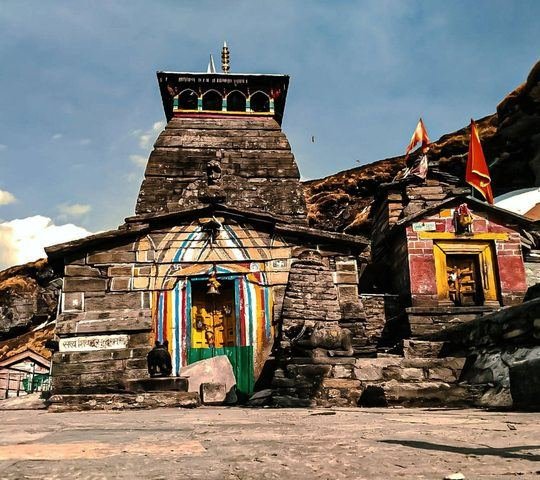
Tungnath Temple, Tungnath Dham, Chopta, Ukhimath Tehsil, Rudraprayag District, Uttarakhand, 246469
Rudraprayag, Uttarakhand
Lord Shiva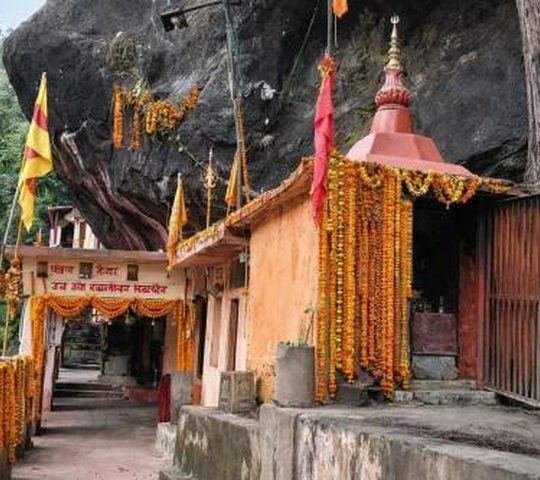 213.0 km
Kalpeshwar Temple, Kalpeshwar Dham, Urgam Valley, Joshimath Region, Chamoli District, Uttarakhand, 246443
Chamoli, Uttarakhand
Lord Shiva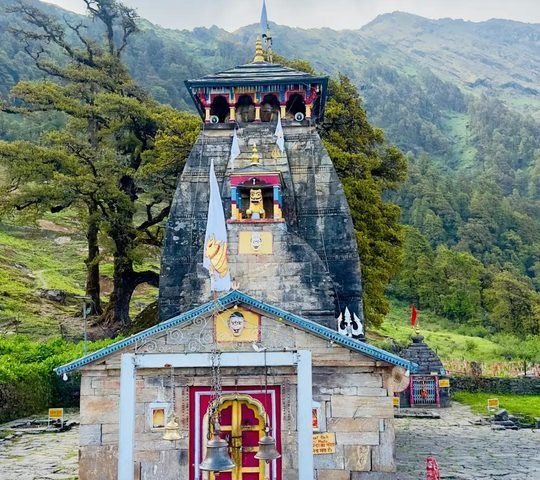 315.9 km
Madhyamaheshwar Temple, Madhyamaheshwar Dham, Mansoona, Ukhimath Region, Rudraprayag District, Uttarakhand, 246469
Rudraprayag, Uttarakhand
Lord Shiva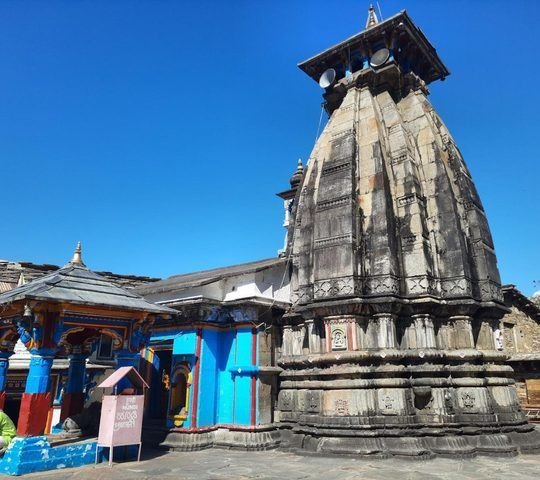 421.4 km
Omkareshwar Temple, Ukhimath, Rudraprayag District, Uttarakhand, 246419
Rudraprayag, Uttarakhand
Lord Shiva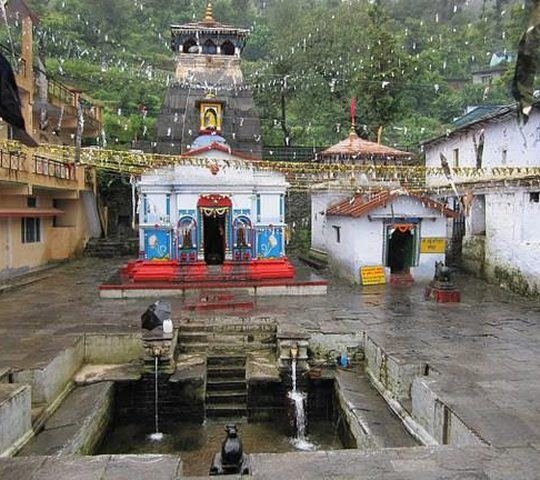 522.8 km
Vishwanath Temple, Guptkashi, Ukhimath Tehsil, Rudraprayag District, Uttarakhand, 246439
Rudraprayag, Uttarakhand
Lord Shiva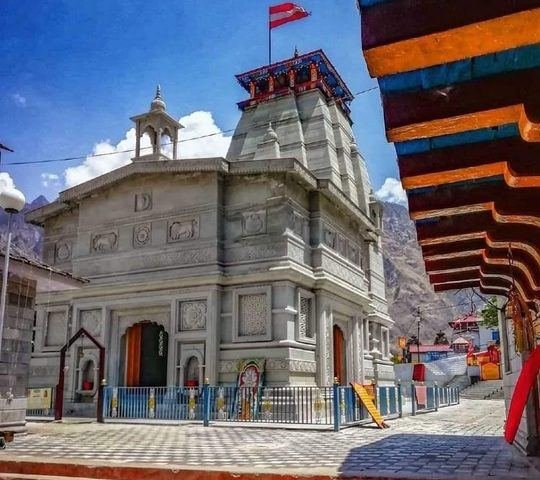 624.0 km
Siddha Narasimha Temple, Joshimath, Chamoli District, Uttarakhand, 246443
Chamoli, Uttarakhand
Lord Narasimha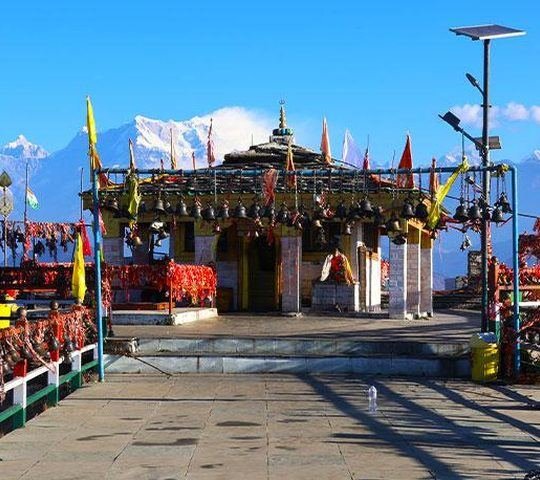 725.8 km
Kartik Swami Temple, Kanakchauri Village, Near Pokhari, Rudraprayag District, Uttarakhand, 246442
Rudraprayag, Uttarakhand
Lord Subramanyam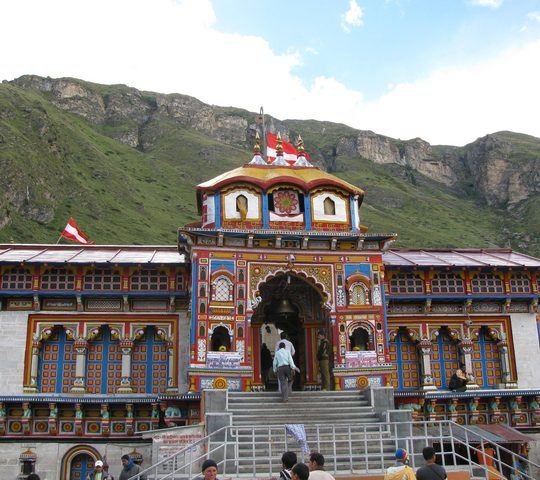 830.0 km
Badrinath Temple, Badrinath Dham, Chamoli District, Uttarakhand, 246422
Chamoli, Uttarakhand
Lord VishnuDrag to move, use + / - or double-click to zoom.हिलाने के लिए खींचें, ज़ूम के लिए + / - या डबल-क्लिक करें।జరపడానికి లాగండి, జూమ్కు + / - లేదా డబుల్ క్లిక్ చేయండి. Open in Google Mapsगूगल मैप्स में खोलेंగూగుల్ మ్యాప్స్లో తెరవండి
Same Deity Templesइसी देवता के मंदिरఇదే దేవత ఆలయాలు
Lord ShivaMore temples of this deity, nearest first.इसी देवता के और मंदिर, निकटतम पहले।ఇదే దేవత ఆలయాలు, దగ్గరివి ముందుగా.
10.3 kmTungnath Temple, Tungnath Dham, Chopta, Ukhimath Tehsil, Rudraprayag District, Uttarakhand, 246469
Rudraprayag, Uttarakhand
Lord Shiva13.0 kmKalpeshwar Temple, Kalpeshwar Dham, Urgam Valley, Joshimath Region, Chamoli District, Uttarakhand, 246443
Chamoli, Uttarakhand
Lord Shiva15.9 kmMadhyamaheshwar Temple, Madhyamaheshwar Dham, Mansoona, Ukhimath Region, Rudraprayag District, Uttarakhand, 246469
Rudraprayag, Uttarakhand
Lord Shiva21.4 kmOmkareshwar Temple, Ukhimath, Rudraprayag District, Uttarakhand, 246419
Rudraprayag, Uttarakhand
Lord Shiva22.8 kmVishwanath Temple, Guptkashi, Ukhimath Tehsil, Rudraprayag District, Uttarakhand, 246439
Rudraprayag, Uttarakhand
Lord Shiva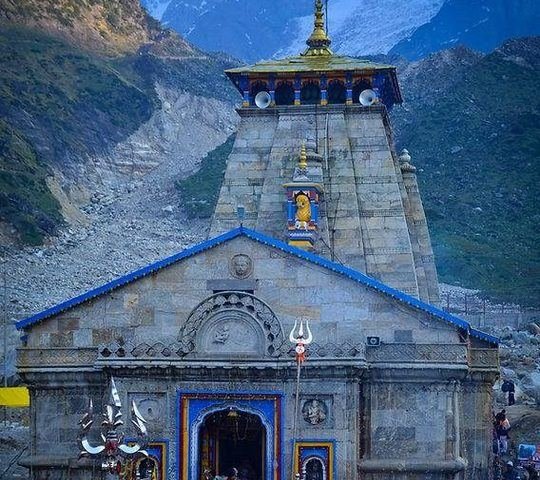 34.0 km
Kedarnath Temple, Kedarnath Dham, Rudraprayag District, Uttarakhand, 246445
Rudraprayag, Uttarakhand
Lord Shiva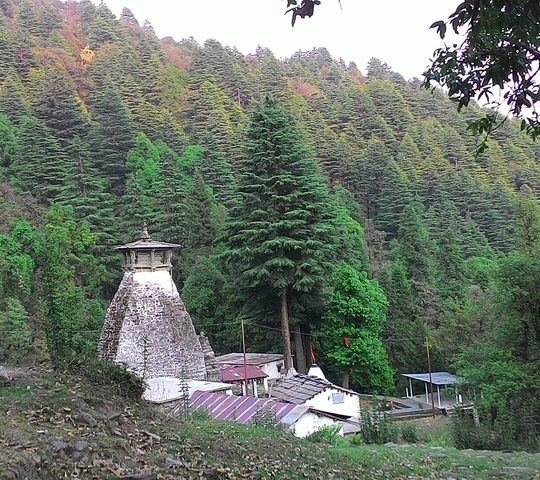 57.9 km
Binsar Mahadev Temple, Bisaona, Thalisain, Pauri Garhwal District, Uttarakhand, 246123
Pauri Garhwal, Uttarakhand
Lord Shiva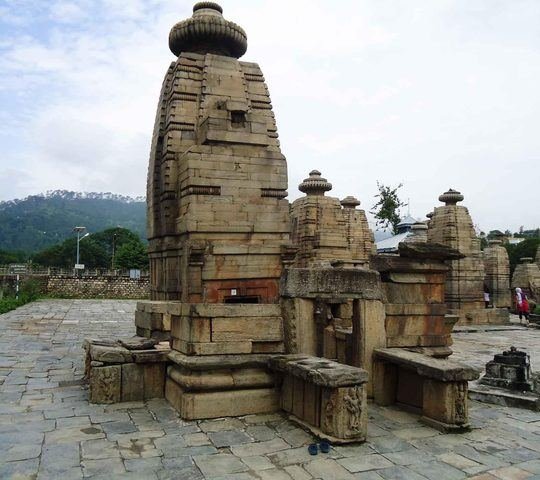 73.8 km
Baijnath Temple, Garur Tehsil, Bageshwar District, Uttarakhand, 263641
Bageshwar, Uttarakhand
Lord ShivaPanch Kedarपंच केदारపంచ కేదార్
See the whole groupपूरा समूह देखेंమొత్తం సముదాయం చూడండి5 of 5 temples5 में से 5 मंदिर5లో 5 ఆలయాలు
1Kedarnath Temple, Kedarnath Dham, Rudraprayag District, Uttarakhand, 246445
Rudraprayag, Uttarakhand
Lord Shiva2Madhyamaheshwar Temple, Madhyamaheshwar Dham, Mansoona, Ukhimath Region, Rudraprayag District, Uttarakhand, 246469
Rudraprayag, Uttarakhand
Lord Shiva3Tungnath Temple, Tungnath Dham, Chopta, Ukhimath Tehsil, Rudraprayag District, Uttarakhand, 246469
Rudraprayag, Uttarakhand
Lord Shiva5Kalpeshwar Temple, Kalpeshwar Dham, Urgam Valley, Joshimath Region, Chamoli District, Uttarakhand, 246443
Chamoli, Uttarakhand
Lord ShivaTravel Guideयात्रा मार्गदर्शिकाప్రయాణ మార్గదర్శి
1. By Road:
The main approach is by road from Gopeshwar to Sagar village. Sagar is the principal starting point for the Rudranath trek. From Sagar, the trek to the temple is approximately 20 km according to the Chamoli District Administration. Other trekking routes are available from Gangolgaon and Mandal.
2. By Rail:
Rishikesh is the nearest railway station identified by the Chamoli District Administration. Rishikesh is approximately 241 km from Gopeshwar. From Rishikesh, travellers continue by road towards Gopeshwar/Sagar and then undertake the trek.
3. By Air:
Jolly Grant Airport, Dehradun, is the nearest airport identified by the Chamoli District Administration. It is approximately 258 km from Gopeshwar. From Dehradun, travellers continue by road to Gopeshwar/Sagar and then trek to Rudranath.
1. Gopeshwar – Approx. 5 km by road to Sagar + approx. 20 km trek to Rudranath.
2. Rishikesh – Approx. 219 km by road to Sagar + approx. 20 km trek.
3. Dehradun – Approx. 258 km to Gopeshwar, followed by the road journey to Sagar and trek.
4. Joshimath – Approx. 45 km trekking route to Rudranath.
1. सड़क मार्ग:
मुख्य पहुँच गोपेश्वर से सागर गाँव तक सड़क मार्ग द्वारा है। सागर रुद्रनाथ पैदल यात्रा का प्रमुख प्रारंभ बिंदु है। चमोली जिला प्रशासन के अनुसार सागर से मंदिर तक पैदल यात्रा लगभग 20 किमी है। अन्य पैदल मार्ग गंगोलगाँव तथा मंडल से उपलब्ध हैं।
2. रेल मार्ग:
चमोली जिला प्रशासन द्वारा चिह्नित निकटतम रेलवे स्टेशन ऋषिकेश है। ऋषिकेश गोपेश्वर से लगभग 241 किमी दूर है। ऋषिकेश से यात्री सड़क मार्ग द्वारा गोपेश्वर/सागर की ओर आगे बढ़ते हैं और उसके बाद पैदल यात्रा करते हैं।
3. वायु मार्ग:
चमोली जिला प्रशासन द्वारा चिह्नित निकटतम हवाई अड्डा जॉली ग्रांट हवाई अड्डा, देहरादून है। यह गोपेश्वर से लगभग 258 किमी दूर है। देहरादून से यात्री सड़क मार्ग द्वारा गोपेश्वर/सागर जाकर रुद्रनाथ तक पैदल यात्रा करते हैं।
1. गोपेश्वर – सागर तक सड़क मार्ग से लगभग 5 किमी + रुद्रनाथ तक लगभग 20 किमी पैदल यात्रा।
2. ऋषिकेश – सागर तक सड़क मार्ग से लगभग 219 किमी + लगभग 20 किमी पैदल यात्रा।
3. देहरादून – गोपेश्वर तक लगभग 258 किमी, उसके बाद सागर तक सड़क यात्रा एवं पैदल यात्रा।
4. जोशीमठ – रुद्रनाथ तक लगभग 45 किमी का पैदल मार्ग।
1. రోడ్డు మార్గం:
ప్రధాన ప్రవేశం గోపేశ్వర్ నుండి సాగర్ గ్రామం వరకు రోడ్డు మార్గం ద్వారా ఉంటుంది. రుద్రనాథ్ నడకకు సాగర్ ప్రధాన ప్రారంభ స్థానం. చమోలీ జిల్లా యంత్రాంగం ప్రకారం సాగర్ నుండి ఆలయానికి నడక సుమారు 20 కి.మీ. గంగోల్గాఁవ్ మరియు మండల్ నుండి ఇతర నడక మార్గాలు అందుబాటులో ఉన్నాయి.
2. రైలు మార్గం:
చమోలీ జిల్లా యంత్రాంగం గుర్తించిన సమీప రైల్వే స్టేషన్ రిషికేశ్. రిషికేశ్ గోపేశ్వర్ నుండి సుమారు 241 కి.మీ దూరంలో ఉంది. రిషికేశ్ నుండి ప్రయాణికులు రోడ్డు మార్గంలో గోపేశ్వర్/సాగర్ వైపు కొనసాగి ఆ తరువాత నడక చేస్తారు.
3. విమాన మార్గం:
చమోలీ జిల్లా యంత్రాంగం గుర్తించిన సమీప విమానాశ్రయం జాలీ గ్రాంట్ విమానాశ్రయం, డెహ్రాడూన్. ఇది గోపేశ్వర్ నుండి సుమారు 258 కి.మీ దూరంలో ఉంది. డెహ్రాడూన్ నుండి ప్రయాణికులు రోడ్డు మార్గంలో గోపేశ్వర్/సాగర్ చేరుకుని రుద్రనాథ్ వరకు నడక చేస్తారు.
1. గోపేశ్వర్ – సాగర్ వరకు రోడ్డు మార్గం ద్వారా సుమారు 5 కి.మీ + రుద్రనాథ్ వరకు సుమారు 20 కి.మీ నడక.
2. రిషికేశ్ – సాగర్ వరకు రోడ్డు మార్గం ద్వారా సుమారు 219 కి.మీ + సుమారు 20 కి.మీ నడక.
3. డెహ్రాడూన్ – గోపేశ్వర్ వరకు సుమారు 258 కి.మీ, ఆ తరువాత సాగర్ వరకు రోడ్డు ప్రయాణం మరియు నడక.
4. జోషీమఠ్ – రుద్రనాథ్ వరకు సుమారు 45 కి.మీ నడక మార్గం.
Sub Templesउप मंदिरఉప ఆలయాలు
1. Surya Kund – Sacred water body located near Rudranath Temple.
2. Chandra Kund – Sacred water body associated with the Rudranath shrine.
3. Tara Kund – Sacred water body situated in the vicinity of the temple.
4. Mana Kund – Sacred water body associated with the Rudranath temple area.
1. सूर्य कुंड – रुद्रनाथ मंदिर के निकट स्थित पवित्र जलस्रोत।
2. चंद्र कुंड – रुद्रनाथ मंदिर से संबद्ध पवित्र जलस्रोत।
3. तारा कुंड – मंदिर के आसपास स्थित पवित्र जलस्रोत।
4. मान कुंड – रुद्रनाथ मंदिर क्षेत्र से जुड़ा पवित्र जलस्रोत।
1. సూర్య కుండం – రుద్రనాథ ఆలయానికి సమీపంలో ఉన్న పవిత్ర జలాశయం.
2. చంద్ర కుండం – రుద్రనాథ మందిరంతో ముడిపడిన పవిత్ర జలాశయం.
3. తారా కుండం – ఆలయ పరిసరాల్లో ఉన్న పవిత్ర జలాశయం.
4. మాన కుండం – రుద్రనాథ ఆలయ ప్రాంతంతో ముడిపడిన పవిత్ర జలాశయం.
Things to Coverक्या देखेंచూడవలసినవి
Take darshan and blessings of Lord Shiva, the presiding deity of this temple, along with the other deities present in the temple complex.
इस मंदिर के मुख्य देवता तथा मंदिर परिसर में विराजमान अन्य देवी-देवताओं के दर्शन कर आशीर्वाद प्राप्त करें।
ఈ ఆలయ ముఖ్య దైవం మరియు ఆలయ ప్రాంగణంలో కొలువైన ఇతర దేవతల దర్శనం చేసుకుని ఆశీర్వాదం పొందండి.
Pooja Detailsपूजा विवरणపూజా వివరాలు
1. Morning Aarti – 06:00 AM to 08:00 AM.
2. Shingaar Pooja – 07:30 PM.
3. Evening Aarti – 06:30 PM to 07:30 PM.
.
1. प्रातः आरती – प्रातः 06:00 से 08:00 बजे तक।
2. शृंगार पूजा – रात्रि 07:30 बजे।
3. सायं आरती – सायं 06:30 से रात्रि 07:30 बजे तक।
1. ఉదయం ఆరతి – ఉదయం 06:00 నుండి 08:00 వరకు.
2. శృంగార పూజ – రాత్రి 07:30 గంటలకు.
3. సాయంత్రం ఆరతి – సాయంత్రం 06:30 నుండి రాత్రి 07:30 వరకు.
Festivals / Jatharaत्योहार / जात्राపండుగలు / జాతర
Rudranath Temple holds an annual fair on the full-moon day of the Hindu month of Shravan, generally falling around July–August and commonly associated with Raksha Bandhan. The fair is particularly attended by local devotees and forms an important part of the temple's annual religious tradition.
The seasonal opening and closing of the shrine are also important religious observances. During winter, the symbolic representation of Lord Rudranath is taken to Gopinath Temple in Gopeshwar, where worship continues until the deity returns to the Himalayan shrine in the following pilgrimage season.
रुद्रनाथ मंदिर में श्रावण मास की पूर्णिमा को वार्षिक मेला आयोजित होता है, जो सामान्यतः जुलाई–अगस्त में पड़ता है और सामान्यतः रक्षा बंधन से जुड़ा है। इस मेले में विशेष रूप से स्थानीय भक्त सम्मिलित होते हैं और यह मंदिर की वार्षिक धार्मिक परंपरा का महत्वपूर्ण अंग है।
मंदिर के मौसमी कपाट खुलना एवं बंद होना भी महत्वपूर्ण धार्मिक आचरण हैं। शीतकाल में भगवान रुद्रनाथ का प्रतीकात्मक स्वरूप गोपेश्वर के गोपीनाथ मंदिर ले जाया जाता है, जहाँ अगली तीर्थयात्रा ऋतु में देवता के हिमालयी मंदिर लौटने तक आराधना जारी रहती है।
రుద్రనాథ ఆలయంలో శ్రావణ మాస పూర్ణిమ రోజున వార్షిక మేళా జరుగుతుంది; ఇది సాధారణంగా జూలై–ఆగస్టు ప్రాంతంలో వస్తుంది మరియు సాధారణంగా రక్షా బంధన్తో ముడిపడి ఉంటుంది. ఈ మేళాకు ప్రత్యేకంగా స్థానిక భక్తులు హాజరవుతారు మరియు ఇది ఆలయ వార్షిక ధార్మిక సంప్రదాయంలో ముఖ్య భాగం.
మందిరం కాలానుగతంగా తెరవడం మరియు మూసివేయడం కూడా ముఖ్యమైన ధార్మిక ఆచారాలు. శీతాకాలంలో రుద్రనాథ స్వామి ప్రతీక స్వరూపాన్ని గోపేశ్వర్లోని గోపీనాథ ఆలయానికి తీసుకువెళ్తారు; తరువాతి యాత్రా కాలంలో స్వామి హిమాలయ మందిరానికి తిరిగి వచ్చే వరకు అక్కడ ఆరాధన కొనసాగుతుంది.
Dress Codeवस्त्र संहिताదుస్తుల నియమం
🥻Traditional Dress
🥻पारंपरिक पोशाक
🥻సాంప్రదాయ దుస్తులు
Announcementsघोषणाएंప్రకటనలు
1. Gopinath Temple, Gopeshwar – An ancient Shiva temple in Gopeshwar and the winter worship location associated with Rudranath.
2. Anusuya Devi Temple – A temple on one of the trekking approaches to Rudranath through the Mandal route.
3. Sagar Village – The principal starting point for the commonly used Rudranath trekking route.
4. Nandikund – A sacred site on a trekking route associated with Rudranath, where devotees traditionally worship ancient swords protruding from rocks.
1. गोपीनाथ मंदिर, गोपेश्वर – गोपेश्वर का प्राचीन शिव मंदिर एवं रुद्रनाथ से संबंधित शीतकालीन पूजा स्थल।
2. अनुसूया देवी मंदिर – मंडल मार्ग से रुद्रनाथ की पैदल यात्रा के मार्ग पर स्थित मंदिर।
3. सागर गाँव – रुद्रनाथ की सामान्य पैदल यात्रा का प्रमुख प्रारंभ स्थल।
4. नंदीकुंड – रुद्रनाथ से संबंधित पैदल मार्ग पर स्थित पवित्र स्थल, जहाँ भक्त चट्टानों से निकली प्राचीन तलवारों की पूजा करते हैं।
1. గోపీనాథ్ ఆలయం, గోపేశ్వర్ – గోపేశ్వర్లోని ప్రాచీన శివాలయం; రుద్రనాథ్తో సంబంధం కలిగిన శీతాకాల పూజా స్థలం.
2. అనసూయా దేవి ఆలయం – మండల్ మార్గం ద్వారా రుద్రనాథ్ ట్రెక్కింగ్ మార్గంలోని ఆలయం.
3. సాగర్ గ్రామం – సాధారణంగా ఉపయోగించే రుద్రనాథ్ ట్రెక్కింగ్ మార్గానికి ప్రధాన ప్రారంభ స్థానం.
4. నందీకుండ్ – రుద్రనాథ్తో సంబంధం కలిగిన ట్రెక్కింగ్ మార్గంలోని పవిత్ర స్థలం; ఇక్కడ రాళ్ల నుండి బయటకు వచ్చిన ప్రాచీన కత్తులను భక్తులు పూజిస్తారు.
FAQ'sअक्सर पूछे जाने वाले प्रश्नతరచుగా అడిగే ప్రశ్నలు
Which part of Lord Shiva is worshipped at Rudranath Temple?
Answer: According to the Panch Kedar tradition, the face of Lord Shiva is worshipped at Rudranath, where the deity is also associated with the form of Neelkanth Mahadev.
Where is Lord Rudranath worshipped during winter?
Answer: During winter, the symbolic representation of Lord Rudranath is brought to Gopinath Temple in Gopeshwar, where worship continues until the deity returns to the Himalayan shrine.
What is the main trekking route to Rudranath Temple?
Answer: The commonly used route begins at Sagar village, which is reached by road from Gopeshwar. From Sagar, the trek to Rudranath is approximately 20 km according to the Chamoli District Administration.