
Kedarnath Temple, Kedarnath Dham, Rudraprayag District, Uttarakhand, 246445
Rudraprayag, Uttarakhand
Aboutमंदिर के बारे मेंఆలయం గురించి
Kedarnath Temple is an ancient Shiva shrine located in the high Himalayan region of Rudraprayag District, Uttarakhand, at an elevation of about 3,584 metres. It is one of the twelve Jyotirlingas of Lord Shiva and is also an important shrine of the Panch Kedar tradition. The temple is traditionally associated with the Pandavas, while the present historic temple is widely associated with Adi Shankaracharya and later renovations.
केदारनाथ मंदिर उत्तराखंड के रुद्रप्रयाग जिले के उच्च हिमालयी क्षेत्र में, लगभग 3,584 मीटर की ऊँचाई पर स्थित एक प्राचीन शिव मंदिर है। यह भगवान शिव के बारह ज्योतिर्लिंगों में से एक है तथा पंच केदार परंपरा का भी महत्वपूर्ण मंदिर है। यह मंदिर परंपरागत रूप से पांडवों से संबद्ध है, जबकि वर्तमान ऐतिहासिक मंदिर व्यापक रूप से आदि शंकराचार्य तथा परवर्ती जीर्णोद्धारों से जोड़ा जाता है।
Temple Historyमंदिर का इतिहासఆలయ చరిత్ర
According to Hindu tradition, the Pandavas encountered Lord Shiva in the form of a buffalo while seeking forgiveness after the Mahabharata war. Shiva is believed to have disappeared into the ground, leaving his hump at Kedarnath; this sacred form is worshipped in the temple. The official temple committee states that the temple has a Garbha Griha and Mandap and has been renovated several times over the centuries. The shrine closes during the severe winter period, and the symbolic worship of Lord Kedarnath is carried to Ukhimath.
Kedarnath Temple is one of the twelve Jyotirlingas dedicated to Lord Shiva and is one of the most important Shaiva pilgrimage centres in India. It is also one of the major shrines of the Uttarakhand Char Dham pilgrimage and forms the central shrine of the Panch Kedar tradition.
Its remote Himalayan location, ancient religious traditions, association with Adi Shankaracharya, and distinctive stone architecture give the temple exceptional spiritual and cultural importance. The shrine attracts pilgrims from across India during the limited annual pilgrimage season.
Nearby templesआस-पास के मंदिरసమీప ఆలయాలు
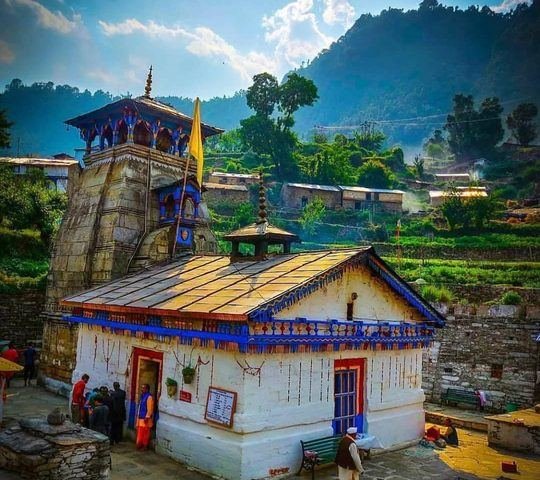 113.5 km
Triyuginarayan Temple, Triyuginarayan Village, Sonprayag–Kedarnath Region, Ukhimath, Rudraprayag District, Uttarakhand, 246471
Rudraprayag, Uttarakhand
Lord Vishnu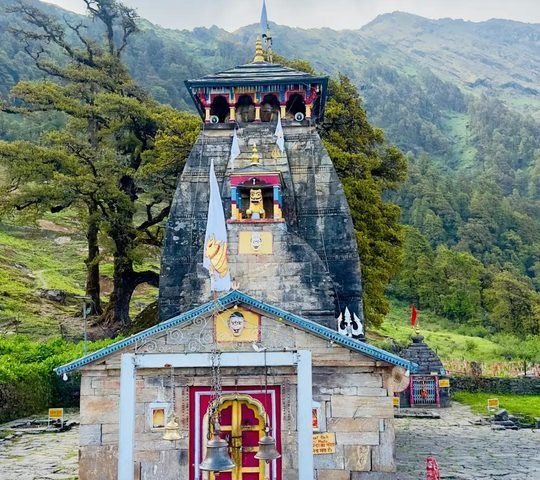 218.5 km
Madhyamaheshwar Temple, Madhyamaheshwar Dham, Mansoona, Ukhimath Region, Rudraprayag District, Uttarakhand, 246469
Rudraprayag, Uttarakhand
Lord Shiva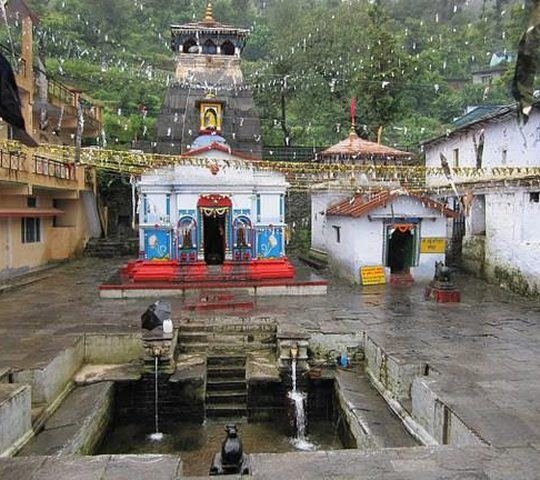 323.1 km
Vishwanath Temple, Guptkashi, Ukhimath Tehsil, Rudraprayag District, Uttarakhand, 246439
Rudraprayag, Uttarakhand
Lord Shiva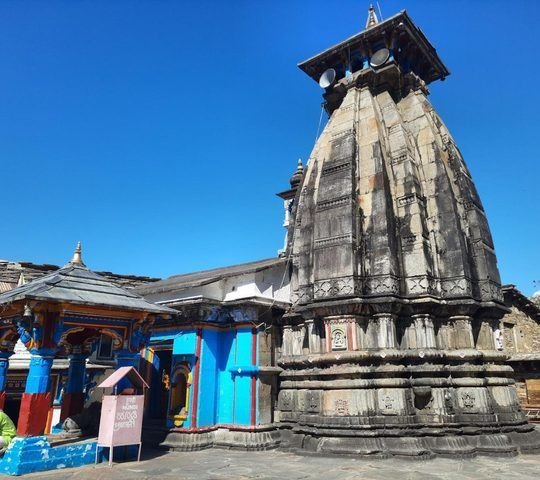 424.2 km
Omkareshwar Temple, Ukhimath, Rudraprayag District, Uttarakhand, 246419
Rudraprayag, Uttarakhand
Lord Shiva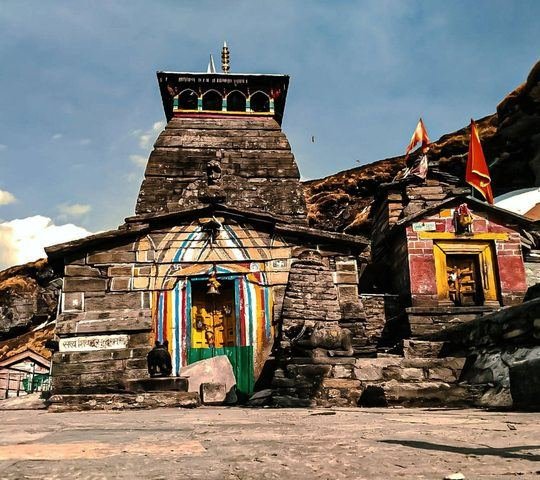 530.9 km
Tungnath Temple, Tungnath Dham, Chopta, Ukhimath Tehsil, Rudraprayag District, Uttarakhand, 246469
Rudraprayag, Uttarakhand
Lord Shiva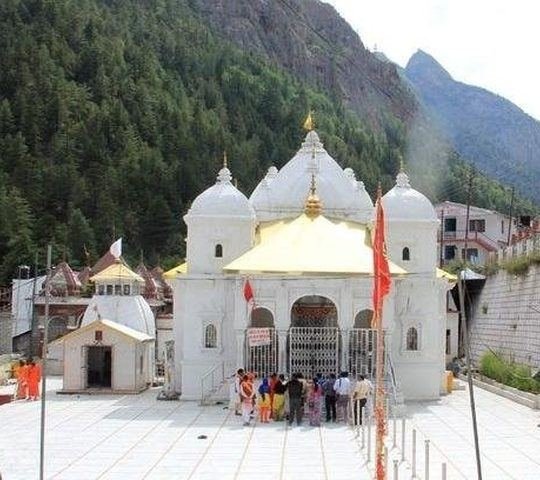 631.3 km
Gangotri Temple, Uttarkashi District, Uttarakhand, 249137
Uttarkashi, Uttarakhand
Goddess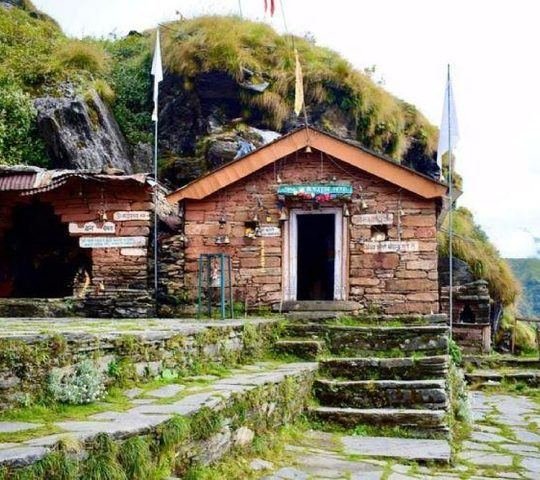 734.0 km
Rudranath Temple, Rudranath Dham, Gopeshwar Region, Chamoli District, Uttarakhand, 246401
Chamoli, Uttarakhand
Lord Shiva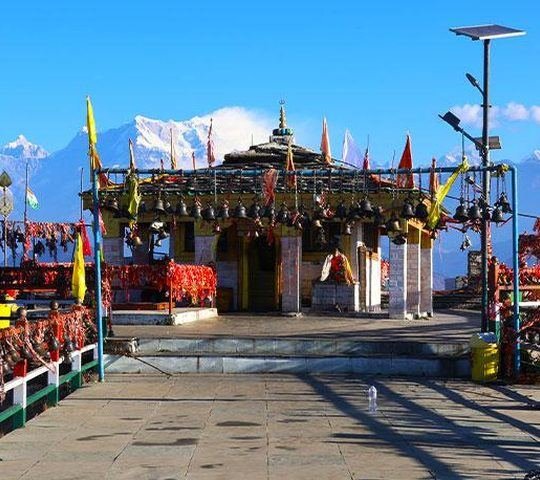 838.9 km
Kartik Swami Temple, Kanakchauri Village, Near Pokhari, Rudraprayag District, Uttarakhand, 246442
Rudraprayag, Uttarakhand
Lord SubramanyamDrag to move, use + / - or double-click to zoom.हिलाने के लिए खींचें, ज़ूम के लिए + / - या डबल-क्लिक करें।జరపడానికి లాగండి, జూమ్కు + / - లేదా డబుల్ క్లిక్ చేయండి. Open in Google Mapsगूगल मैप्स में खोलेंగూగుల్ మ్యాప్స్లో తెరవండి
Same Deity Templesइसी देवता के मंदिरఇదే దేవత ఆలయాలు
Lord ShivaMore temples of this deity, nearest first.इसी देवता के और मंदिर, निकटतम पहले।ఇదే దేవత ఆలయాలు, దగ్గరివి ముందుగా.
18.5 kmMadhyamaheshwar Temple, Madhyamaheshwar Dham, Mansoona, Ukhimath Region, Rudraprayag District, Uttarakhand, 246469
Rudraprayag, Uttarakhand
Lord Shiva23.1 kmVishwanath Temple, Guptkashi, Ukhimath Tehsil, Rudraprayag District, Uttarakhand, 246439
Rudraprayag, Uttarakhand
Lord Shiva24.2 kmOmkareshwar Temple, Ukhimath, Rudraprayag District, Uttarakhand, 246419
Rudraprayag, Uttarakhand
Lord Shiva30.9 kmTungnath Temple, Tungnath Dham, Chopta, Ukhimath Tehsil, Rudraprayag District, Uttarakhand, 246469
Rudraprayag, Uttarakhand
Lord Shiva34.0 kmRudranath Temple, Rudranath Dham, Gopeshwar Region, Chamoli District, Uttarakhand, 246401
Chamoli, Uttarakhand
Lord Shiva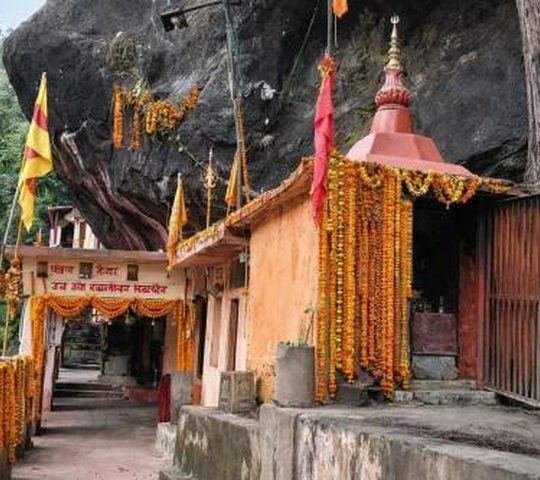 42.0 km
Kalpeshwar Temple, Kalpeshwar Dham, Urgam Valley, Joshimath Region, Chamoli District, Uttarakhand, 246443
Chamoli, Uttarakhand
Lord Shiva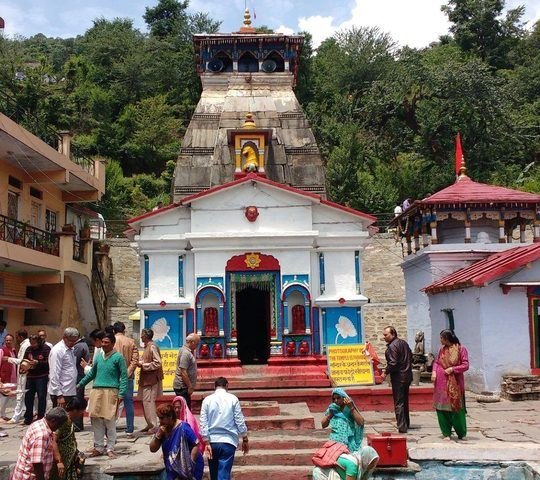 59.8 km
Vishwanath Temple, Vishwanath Chowk, Uttarkashi, Uttarakhand, 249193
Uttarkashi, Uttarakhand
Lord Shiva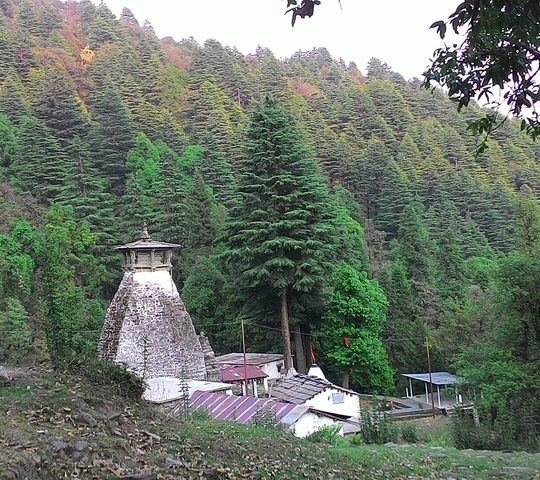 80.4 km
Binsar Mahadev Temple, Bisaona, Thalisain, Pauri Garhwal District, Uttarakhand, 246123
Pauri Garhwal, Uttarakhand
Lord Shiva12 Jyotirlingas12 ज्योतिर्लिंग12 జ్యోతిర్లింగాలు
See the whole groupपूरा समूह देखेंమొత్తం సముదాయం చూడండి12 of 12 temples12 में से 12 मंदिर12లో 12 ఆలయాలు
 1
Shree Somnath Temple, Somnath Mandir Rd, Somnath, Gujarat 362268
Gujarath
Lord Shiva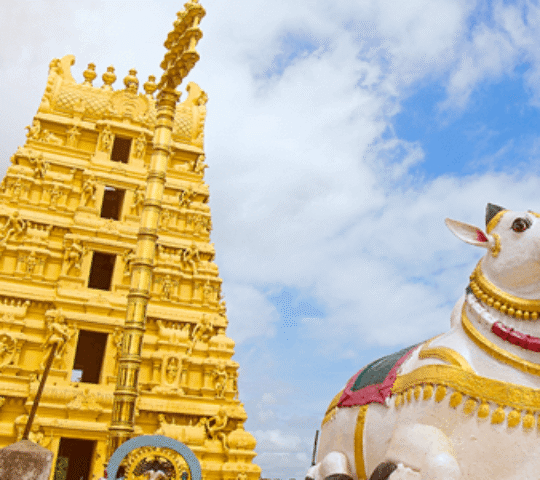 2
Sri Bhramaramba Mallikarjuna Swamy Devasthanam Srisailam, Andhra Pradesh 518101
Kurnool, Andhra Pradesh
Lord ShivaShree Mahakaleshwar Jyotirlinga Temple, Jaisinghpura, Ujjain, Madhya Pradesh 456006
Ujjain, Madhya Pradesh
Lord ShivaShree Omkareshwar Jyotirlinga Temple, Mandhata, Khandwa, Madhya Pradesh 450554
Khandwa, Madhya Pradesh
Lord Shiva 6
Bhimashankar Jyotirlinga Shiva Temple, khed, Maharashtra 410509
Pune, Maharashtra
Lord ShivaShree Kashi Vishwanath Temple, Vishwanath Gali, Varanasi, Uttar Pradesh 221001
Varanasi, Uttar Pradesh
Lord Shiva 8
Trimbakeshwar Jyotirling Mandir , Trimbak, Maharashtra 422212
Nasik, Maharashtra
Lord Shiva 9
Shri Vaidhynath Jyotirling Temple , Parli Vaijnath, Maharashtra 431515
Aurangabad, Maharashtra
Lord Shiva 10
Shri Nageshwar Jyotirling Aundha Nagnath, Aundha Nagnath, Maharashtra 431705
Nanded, Maharashtra
Lord ShivaShree Ramanathaswamy Temple, Rameswaram, Ramanathapuram, Tamil Nadu 623526
Ramanathapuram, Tamil Nadu
Lord Shiva 12
Shri Ghrishneshwar Jyotirlinga , Ghrushneshwar Mandir Rd, Verul, Maharashtra 431102
Aurangabad, Maharashtra
Lord ShivaPanch Kedarपंच केदारపంచ కేదార్
See the whole groupपूरा समूह देखेंమొత్తం సముదాయం చూడండి5 of 5 temples5 में से 5 मंदिर5లో 5 ఆలయాలు
2Madhyamaheshwar Temple, Madhyamaheshwar Dham, Mansoona, Ukhimath Region, Rudraprayag District, Uttarakhand, 246469
Rudraprayag, Uttarakhand
Lord Shiva3Tungnath Temple, Tungnath Dham, Chopta, Ukhimath Tehsil, Rudraprayag District, Uttarakhand, 246469
Rudraprayag, Uttarakhand
Lord Shiva4Rudranath Temple, Rudranath Dham, Gopeshwar Region, Chamoli District, Uttarakhand, 246401
Chamoli, Uttarakhand
Lord Shiva5Kalpeshwar Temple, Kalpeshwar Dham, Urgam Valley, Joshimath Region, Chamoli District, Uttarakhand, 246443
Chamoli, Uttarakhand
Lord ShivaTravel Guideयात्रा मार्गदर्शिकाప్రయాణ మార్గదర్శి
1. By Road: Kedarnath is reached by road up to Gaurikund/Sonprayag, after which pilgrims continue toward Kedarnath by the designated trekking route and available pilgrimage services.
2. By Rail: Rishikesh is the nearest major railway station listed by the official temple website, approximately 228 km from Kedarnath.
3. By Air: Jolly Grant Airport, Dehradun, is the nearest airport listed by the official temple website, approximately 248 km from Kedarnath.
1. Rishikesh – Approx. 228 km
2. Dehradun – Approx. 248 km
3. Haridwar – Approx. 250–260 km
4. Rudraprayag – Approx. 86 km
1. सड़क मार्ग: केदारनाथ तक गौरीकुंड/सोनप्रयाग तक सड़क मार्ग से पहुँचा जाता है, जिसके बाद तीर्थयात्री निर्धारित पैदल मार्ग तथा उपलब्ध तीर्थ सेवाओं द्वारा केदारनाथ की ओर आगे बढ़ते हैं।
2. रेल मार्ग: आधिकारिक मंदिर वेबसाइट के अनुसार ऋषिकेश निकटतम प्रमुख रेलवे स्टेशन है, जो केदारनाथ से लगभग 228 किमी दूर है।
3. वायु मार्ग: आधिकारिक मंदिर वेबसाइट के अनुसार जॉली ग्रांट हवाई अड्डा, देहरादून निकटतम हवाई अड्डा है, जो केदारनाथ से लगभग 248 किमी दूर है।
1. ऋषिकेश – लगभग 228 किमी
2. देहरादून – लगभग 248 किमी
3. हरिद्वार – लगभग 250–260 किमी
4. रुद्रप्रयाग – लगभग 86 किमी
1. రోడ్డు మార్గం: కేదార్నాథ్కు గౌరీకుండ్/సోన్ప్రయాగ్ వరకు రోడ్డు మార్గం ద్వారా చేరుకోవచ్చు; ఆ తరువాత యాత్రికులు నిర్దేశిత నడక మార్గం మరియు అందుబాటులో ఉన్న యాత్రా సేవల ద్వారా కేదార్నాథ్ వైపు కొనసాగుతారు.
2. రైలు మార్గం: అధికారిక ఆలయ వెబ్సైట్ పేర్కొన్న సమీప ప్రధాన రైల్వే స్టేషన్ రిషికేశ్; ఇది కేదార్నాథ్ నుండి సుమారు 228 కి.మీ దూరంలో ఉంది.
3. విమాన మార్గం: అధికారిక ఆలయ వెబ్సైట్ పేర్కొన్న సమీప విమానాశ్రయం జాలీ గ్రాంట్ విమానాశ్రయం, డెహ్రాడూన్; ఇది కేదార్నాథ్ నుండి సుమారు 248 కి.మీ దూరంలో ఉంది.
1. రిషికేశ్ – సుమారు 228 కి.మీ
2. డెహ్రాడూన్ – సుమారు 248 కి.మీ
3. హరిద్వార్ – సుమారు 250–260 కి.మీ
4. రుద్రప్రయాగ్ – సుమారు 86 కి.మీ
Sub Templesउप मंदिरఉప ఆలయాలు
1. Garbha Griha – Main sanctum containing the sacred conical rock formation worshipped as Lord Shiva in the Sadashiva form.
2. Mandap – Assembly hall for pilgrims and worshippers.
3. Nandi Shrine – Stone image of Nandi positioned outside the main temple entrance.
4. Amrit Kund – Sacred water tank located along the temple's circumambulatory path.
5. Bhairavnath Shrine – Shrine dedicated to Bhairavnath located on the eastern side of the temple complex.
6. Shrines of Panch Kedar-related deities and other figures are associated with the temple complex.
1. गर्भगृह – मुख्य गर्भगृह, जिसमें सदाशिव स्वरूप में भगवान शिव के रूप में पूजित पवित्र शंक्वाकार शिला स्थित है।
2. मंडप – तीर्थयात्रियों एवं भक्तों के लिए सभागार।
3. नंदी मंदिर – मुख्य मंदिर के प्रवेश द्वार के बाहर स्थापित नंदी की पाषाण प्रतिमा।
4. अमृत कुंड – मंदिर के परिक्रमा मार्ग पर स्थित पवित्र जलकुंड।
5. भैरवनाथ मंदिर – मंदिर परिसर के पूर्वी भाग में स्थित भैरवनाथ को समर्पित मंदिर।
6. पंच केदार से संबंधित देवताओं तथा अन्य स्वरूपों के मंदिर भी इस मंदिर परिसर से जुड़े हैं।
1. గర్భగృహం – సదాశివ స్వరూపంలో శివునిగా పూజించబడే పవిత్ర శంఖువు ఆకార శిల ఉన్న ప్రధాన గర్భగుడి.
2. మండపం – యాత్రికులు మరియు భక్తుల సభా మండపం.
3. నంది మందిరం – ప్రధాన ఆలయ ప్రవేశ ద్వారం వెలుపల ప్రతిష్ఠితమైన నంది రాతి విగ్రహం.
4. అమృత కుండం – ఆలయ ప్రదక్షిణ మార్గంలో ఉన్న పవిత్ర జలాశయం.
5. భైరవనాథ మందిరం – ఆలయ సముదాయం తూర్పు వైపున ఉన్న భైరవనాథునికి అంకితమైన మందిరం.
6. పంచ కేదార్కు సంబంధించిన దేవతలు మరియు ఇతర స్వరూపాల మందిరాలు కూడా ఈ ఆలయ సముదాయంతో ముడిపడి ఉన్నాయి.
Things to Coverक्या देखेंచూడవలసినవి
Take darshan and blessings of Lord Shiva, the presiding deity of this temple, along with the other deities present in the temple complex.
इस मंदिर के मुख्य देवता तथा मंदिर परिसर में विराजमान अन्य देवी-देवताओं के दर्शन कर आशीर्वाद प्राप्त करें।
ఈ ఆలయ ముఖ్య దైవం మరియు ఆలయ ప్రాంగణంలో కొలువైన ఇతర దేవతల దర్శనం చేసుకుని ఆశీర్వాదం పొందండి.
Pooja Detailsपूजा विवरणపూజా వివరాలు
1. Mahabhishek Puja – Morning, between approximately 12:00 AM and 4:00 AM.
2. Rudrabhishek Puja – Morning, between approximately 12:00 AM and 4:00 AM.
3. Laghu Rudrabhishek – Approximately 30 minutes, during the designated puja schedule.
4. Ashtopachar Puja – During general darshan time.
5. Sampurna Aarti – Approximately 6:00 PM – 7:30 PM.
6. Shiv Sahasranam Path – Approximately 10 minutes, according to the temple committee's puja schedule.
1. महाभिषेक पूजा – प्रातःकाल, लगभग रात्रि 12:00 से प्रातः 4:00 बजे के बीच।
2. रुद्राभिषेक पूजा – प्रातःकाल, लगभग रात्रि 12:00 से प्रातः 4:00 बजे के बीच।
3. लघु रुद्राभिषेक – नियत पूजा कार्यक्रम के अंतर्गत लगभग 30 मिनट।
4. अष्टोपचार पूजा – सामान्य दर्शन समय में।
5. संपूर्ण आरती – लगभग सायं 6:00 – रात्रि 7:30 बजे।
6. शिव सहस्रनाम पाठ – मंदिर समिति के पूजा कार्यक्रम के अनुसार लगभग 10 मिनट।
1. మహాభిషేక పూజ – ఉదయం, సుమారు రాత్రి 12:00 నుండి తెల్లవారుజామున 4:00 మధ్య.
2. రుద్రాభిషేక పూజ – ఉదయం, సుమారు రాత్రి 12:00 నుండి తెల్లవారుజామున 4:00 మధ్య.
3. లఘు రుద్రాభిషేకం – నిర్ణీత పూజ కార్యక్రమంలో సుమారు 30 నిమిషాలు.
4. అష్టోపచార పూజ – సాధారణ దర్శన సమయంలో.
5. సంపూర్ణ ఆరతి – సుమారు సాయంత్రం 6:00 – రాత్రి 7:30.
6. శివ సహస్రనామ పాఠం – ఆలయ కమిటీ పూజ కార్యక్రమం ప్రకారం సుమారు 10 నిమిషాలు.
Festivals / Jatharaत्योहार / जात्राపండుగలు / జాతర
Kedarnath Temple observes major Shaiva and Hindu religious occasions during its annual pilgrimage season. Special worship is particularly associated with the holy month of Shravan, Mondays, and other important religious dates.
The temple's annual opening and closing ceremonies are themselves major pilgrimage events. Before the winter closure, the symbolic form of Lord Kedarnath is ceremonially taken to Ukhimath, where worship continues during the winter months until the deity is brought back to Kedarnath for the reopening of the shrine.
केदारनाथ मंदिर में अपनी वार्षिक तीर्थयात्रा ऋतु के दौरान प्रमुख शैव एवं हिंदू धार्मिक अवसर मनाए जाते हैं। विशेष आराधना विशेष रूप से पवित्र श्रावण मास, सोमवार तथा अन्य महत्वपूर्ण धार्मिक तिथियों से जुड़ी है।
मंदिर के वार्षिक कपाट खुलने एवं बंद होने के समारोह स्वयं प्रमुख तीर्थ आयोजन हैं। शीतकालीन समापन से पूर्व भगवान केदारनाथ की प्रतीकात्मक डोली विधिपूर्वक उखीमठ ले जाई जाती है, जहाँ शीतकाल में आराधना जारी रहती है, और कपाट खुलने पर देवता को पुनः केदारनाथ लाया जाता है।
కేదార్నాథ్ ఆలయంలో వార్షిక యాత్రా కాలంలో ప్రధాన శైవ మరియు హిందూ ధార్మిక సందర్భాలను జరుపుకుంటారు. ప్రత్యేక ఆరాధన ముఖ్యంగా పవిత్ర శ్రావణ మాసం, సోమవారాలు మరియు ఇతర ముఖ్యమైన ధార్మిక తిథులతో ముడిపడి ఉంటుంది.
ఆలయ వార్షిక తెరిచే మరియు మూసివేత వేడుకలు స్వయంగా ప్రధాన తీర్థ కార్యక్రమాలు. శీతాకాల మూసివేతకు ముందు కేదార్నాథ స్వామి ప్రతీక స్వరూపాన్ని విధిపూర్వకంగా ఉఖీమఠ్కు తీసుకువెళ్తారు; ఆలయం తిరిగి తెరిచేందుకు స్వామిని కేదార్నాథ్కు తీసుకువచ్చే వరకు శీతాకాల మాసాల్లో అక్కడ ఆరాధన కొనసాగుతుంది.
Dress Codeवस्त्र संहिताదుస్తుల నియమం
🥻Traditional Dress
🥻पारंपरिक पोशाक
🥻సాంప్రదాయ దుస్తులు
Announcementsघोषणाएंప్రకటనలు
1. Bhairavnath Temple – Sacred shrine dedicated to Bhairavnath located near Kedarnath.
2. Chorabari Glacier Area – High-altitude Himalayan area associated with the source region of the Mandakini.
3. Gaurikund – Traditional starting point for the Kedarnath pilgrimage route.
4. Triyuginarayan Temple – Ancient temple associated with the traditional marriage of Lord Shiva and Goddess Parvati.
5. Ukhimath – Important winter seat where the symbolic worship of Lord Kedarnath is continued during the winter closure.
1. भैरवनाथ मंदिर – केदारनाथ के निकट भैरवनाथ को समर्पित पवित्र मंदिर।
2. चोराबाड़ी ग्लेशियर क्षेत्र – मंदाकिनी के उद्गम क्षेत्र से संबंधित उच्च हिमालयी क्षेत्र।
3. गौरीकुंड – केदारनाथ यात्रा मार्ग का पारंपरिक प्रारंभ स्थल।
4. त्रियुगीनारायण मंदिर – भगवान शिव एवं देवी पार्वती के पारंपरिक विवाह से संबंधित प्राचीन मंदिर।
5. ऊखीमठ – महत्वपूर्ण शीतकालीन स्थान, जहाँ मंदिर बंद रहने पर भगवान केदारनाथ की प्रतीकात्मक पूजा होती है।
1. భైరవనాథ్ ఆలయం – కేదార్నాథ్ సమీపంలో భైరవనాథునికి అంకితమైన పవిత్ర ఆలయం.
2. చోరాబారి హిమనద ప్రాంతం – మందాకిని ఉద్గమ ప్రాంతంతో సంబంధం కలిగిన ఎత్తైన హిమాలయ ప్రాంతం.
3. గౌరీకుండ్ – కేదార్నాథ్ యాత్రా మార్గానికి సంప్రదాయ ప్రారంభ స్థానం.
4. త్రియుగినారాయణ ఆలయం – శివ-పార్వతుల సంప్రదాయ వివాహంతో సంబంధం కలిగిన ప్రాచీన ఆలయం.
5. ఉఖీమఠ్ – ముఖ్యమైన శీతాకాల నివాసం; ఆలయం మూసి ఉన్న కాలంలో కేదార్నాథ్ స్వామి ప్రతీకాత్మక పూజ ఇక్కడ కొనసాగుతుంది.
FAQ'sअक्सर पूछे जाने वाले प्रश्नతరచుగా అడిగే ప్రశ్నలు
Why is Kedarnath Temple considered one of the Jyotirlingas?
Kedarnath is traditionally revered as one of the twelve Jyotirlingas, representing a sacred manifestation of Lord Shiva.
What is unique about the Shiva form worshipped at Kedarnath?
The principal sacred form is a naturally shaped conical rock formation representing the hump of Lord Shiva in his buffalo form according to Hindu tradition.
Where is the worship of Lord Kedarnath continued during winter?
During the winter closure of the high-altitude shrine, the symbolic form of Lord Kedarnath is worshipped at Ukhimath.